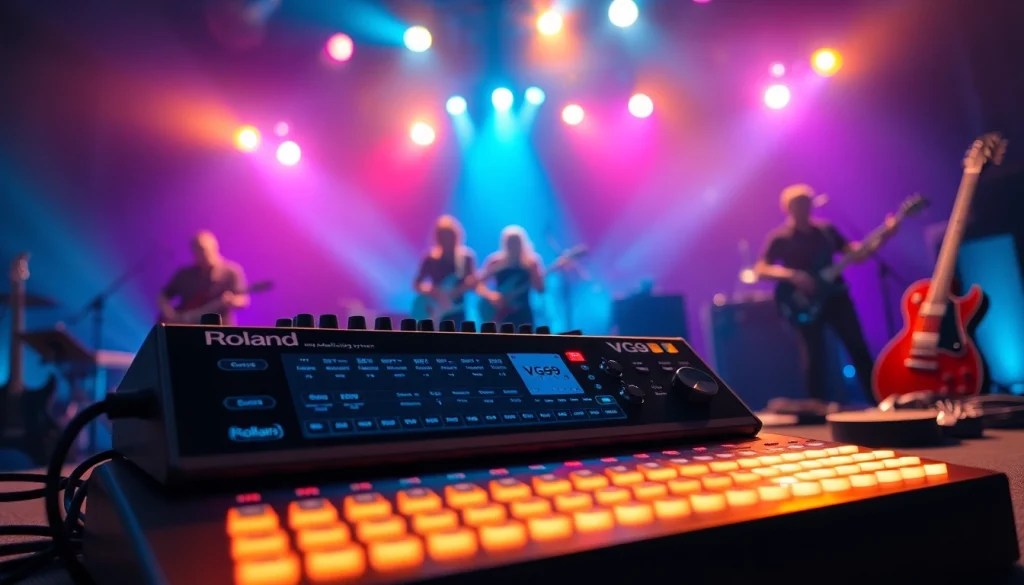
Introduction to the VG99
The VG99 stands as a groundbreaking innovation in the realm of guitar technology, offering musicians a versatile platform to redefine their sound. As part of Roland’s esteemed V-Guitar series, the VG99 transcends traditional guitar systems, introducing sophisticated modeling technologies that allow players to explore an expansive sonic palette. In this comprehensive exploration, we will delve into the VG99’s distinctive features, its impact on guitar sound, practical integration into performances, essential maintenance tips, and the future of guitar modeling.
What is the VG99?
The VG99 is an advanced guitar modeling system developed by Roland, designed to provide musicians with an all-in-one solution for synthesizing sounds and effects typically associated with electric guitars. Featuring dual processing engines, it enables real-time sound manipulation, which means players can create, modify, and layer sounds without significant latency. The device integrates features such as guitar-to-MIDI conversion, USB connectivity, and a suite of onboard effects—all while maintaining the nuanced dynamics of an acoustic performance.
Key Features and Specifications
Understanding the features of the VG99 is essential for unlocking its full potential. Here are some of its key specifications:
- Dual Engine Processing: The VG99 boasts two independent sound engines, which allow for simultaneous processing of guitar and effects.
- Guitar Modeling: It provides a variety of guitar body models and pickups, giving players access to different tonal qualities without needing multiple instruments.
- MIDI Capabilities: The VG99 can convert guitar performance into MIDI data, unlocking the ability to control virtual instruments and DAWs.
- USB Audio Interface: The device allows for direct audio streaming, enabling seamless integration with recording software.
- Customizable Effects: Users can apply various effects such as reverb, delay, and modulation, all customizable to taste.
Target Audience and Use Cases
The VG99 primarily appeals to a diverse range of users, from aspiring guitarists to seasoned professionals. Its capacity for sophisticated sound creation makes it ideal for:
- Live Performers: Musicians looking to diversify their live sound without requiring multiple instruments.
- Studio Producers: Producers seeking innovative sounds and effects for recordings without needing extensive recording setups.
- Educators and Students: A valuable tool for music educators teaching advanced guitar techniques and sound design.
How the VG99 Transforms Guitar Sound
Guitar Modeling Technology Explained
The technology behind the VG99 revolves around advanced digital modeling algorithms that replicate the intricacies of traditional guitar tones and effects. This includes physical modeling, where the virtual model reacts to player inputs, just like an acoustic guitar would. The VG99 employs high-resolution sampling and complex digital signal processing (DSP) to accurately recreate a wide range of guitar sounds, mimicking acoustic and electric guitars and even instruments like sitars and banjos.
Comparison with Other Guitar Systems
When placed alongside other guitar modeling systems, the VG99 distinguishes itself through hardware sophistication and feature depth. While competitors may focus solely on effects or basic modeling, the VG99 combines the best of both worlds, allowing musicians to redefine the boundaries of sound. For example, devices like the Boss SY-1000—while powerful in its own right—primarily functions as a synthesizer with limited traditional guitar effects compared to the VG99’s comprehensive approach.
Real-World Sound Quality Assessment
Sound assessments reveal that the VG99 yields high-quality, realistic outputs that appeal to serious musicians. Users report that the sound quality remains exceptional even when layering multiple effects or hybrid sounds. The dual processing engines allow for both clarity and depth, enabling the creation of complex soundscapes suitable for various genres. Sound engineers frequently affirm that its outputs integrate well into both live settings and studio productions, affirming its status as a professional tool.
Integrating the VG99 into Performances
Setting Up the VG99 for Live Use
Setting up the VG99 for live performances involves careful consideration of various parameters. Primarily, musicians need to adjust output settings to ensure compatibility with PA systems. The onboard USB may be used to connect directly to a laptop or high-quality sound interface, providing crisp audio output while reducing setup complexity.
For those using the VG99 alongside traditional amplifiers, balancing levels between the modeling output and the amp’s characteristics is crucial. Users often benefit from creating different patches tailored for specific songs or segments of their set, enabling swift transitions during performances.
Examples of Famous Musicians Using the VG99
Many renowned artists have embraced the VG99 for its versatility and sound quality. Notable guitarists include:
- Steve Vai: Known for his experimental sound, Vai integrates the VG99 to diversify his playing style.
- Eric Johnson: Utilizes the unit for its crisp tones and extensive modeling capabilities in varied genres.
- Bon Jovi’s Richie Sambora: Employs the VG99 for live shows, blending classic rock with modern tonalities.
Tips for Optimizing Settings
To maximize the VG99’s potential, consider these optimization tips:
- Patch Management: Create a library of patches for different styles and genres, ensuring quick access during performances.
- Utilize Looping Features: The VG99 allows for seamless integration with looping, perfect for dynamic performances.
- Experiment with MIDI: Use the MIDI capabilities creatively to control a range of hardware or software instruments.
Maintenance and Support for VG99 Users
Regular Updates and Features
To maintain optimal performance, it’s essential for users to check for regular updates and features released by Roland. The latest updates not only fix bugs but also enhance sound modeling capabilities and introduce new features. Keeping the firmware current ensures that users have access to the latest improvements, and is relatively easy to perform through the Roland support website.
Common Troubleshooting Techniques
Users may encounter occasional technical issues with the VG99. Here are some common troubleshooting techniques:
- Audio Glitches: Check input/output levels and connections, ensuring that cables and interface settings are correctly configured.
- MIDI Connection Problems: Confirm that MIDI setups are properly configured within assigning channels in both the VG99 and the connected hardware.
- Patch Management Issues: Maintain backup copies of essential patches on external storage for easy recovery in case of system malfunctions.
Online Resources and Community Support
With a robust online community, VG99 users have access to forums and resources where they can exchange tips and troubleshoot issues together. Websites like the VGuitar Forums provide a platform for musicians to share experiences, settings, and patch libraries. Additionally, official support pages from Roland contain valuable information on maintenance and operating procedures.
Future of Guitar Modeling: What’s Next?
Upcoming Innovations in Guitar Technology
The future of guitar modeling appears promising, with advancements in technology shaping new approaches to instrument sound. Innovations such as improved AI algorithms for physical modeling might afford even more realistic and nuanced tones. Ongoing developments in digital sound processing may also lead to the creation of even smaller and more potent devices, maintaining a focus on portability without compromising performance.
Potential Successors to the VG99
While the VG99 stands strong in the market, concepts for successors or alternative products like the Boss SY-1000 may expand on its legacy. These advancements will likely incorporate even greater flexibility and connectivity, addressing the evolving needs of both live performers and studio musicians. As newer models surface, they may utilize advanced software technologies and enhance user interaction, ensuring that guitarists continue to innovate in their musical expression.
Final Thoughts: The Legacy of the VG99
The VG99’s substantial impact on the guitar landscape cannot be understated. It has paved the way for a new generation of instruments that challenge traditional norms, blending digital with acoustic realms. As we approach the future of guitar modeling, the role of devices like the VG99 in redefining musical possibilities remains crucial. For guitarists seeking to expand their sonic horizons, the VG99 not only represents a tool but also symbolizes a progressive vision for musical creativity.