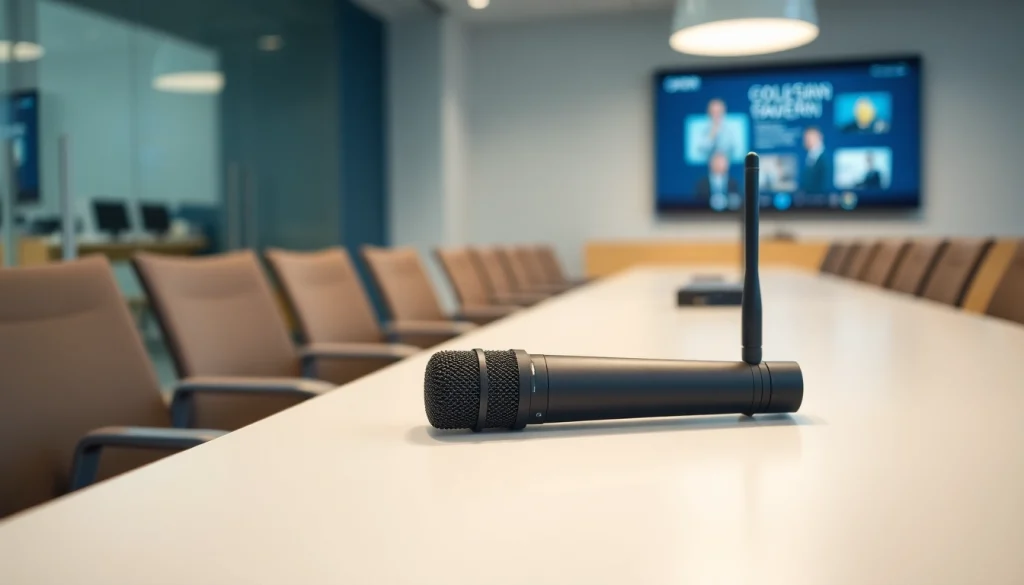
Understanding the Epson Microphone
The Epson microphone series is a vital accessory for enhancing audio clarity during presentations, lectures, and other professional environments. From the ELPMC01 to the ELPMC02 models, these microphones are specially designed to complement Epson’s projector systems, providing educators and presenters with high-quality audio performance. For anyone looking to elevate their audio experience, understanding the features, compatibility, and different types of Epson microphones will be essential. You can find a reliable source for microphone epsion options that meet your needs.
1. Key Features and Benefits
Epson microphones offer several key features that make them particularly effective for a range of settings. One of the standout features is their wireless capability, allowing for unhindered movement during presentations. This is particularly beneficial in educational environments, where teachers can engage with students without being tethered to a specific location. Another hallmark of these microphones is their directional audio capture, which minimizes background noise while focusing on the speaker’s voice. Additionally, many Epson microphones come equipped with automatic level control, ensuring consistent audio levels, which is crucial for maintaining audience engagement.
2. Compatibility with Projectors
Epson microphones are designed for seamless compatibility with various projector models in the Epson range. For instance, the ELPMC02 wireless microphone works perfectly with the Epson PowerLite series, allowing users to connect effortlessly. Ensuring compatibility is vital, as using a mismatched microphone can lead to technical issues such as poor sound quality or connection failures. Most Epson microphones connect via a dedicated mic port on compatible projectors, often using simple plug-and-play functionality. It’s advisable to consult the user manual of your projector model for specific compatibility information.
3. Different Types of Microphones Available
Epson manufacturers a range of microphones tailored for different environments and use cases. They can be broadly categorized into wired and wireless options. Wired microphones, such as the ELPMC01, are designed for stable, uninterrupted audio capture and are ideal for settings where mobility is less of a concern. On the other hand, wireless microphones like the ELPMC02 are perfect for dynamic presentations, offering the freedom to move around while still delivering high-quality audio. Understanding the requirements of your specific presentation context can help in selecting the right type of microphone.
Setting Up Your Epson Microphone
1. Step-by-Step Installation Guide
Setting up your Epson microphone can be done in a few straightforward steps:
- Begin by connecting the microphone to the designated mic port on your Epson projector. Ensure the connection is secure.
- If using a wireless microphone, make sure it is charged or has fresh batteries, and switch it on before connecting.
- Access the projector’s settings menu, and navigate to the audio settings to configure your microphone input levels.
- Once configured, perform a quick audio check by speaking into the microphone to ensure it is capturing the sound clearly.
2. Common Connection Issues and Solutions
Here are some common issues you might encounter while connecting an Epson microphone and their solutions:
- Issue: No sound is coming through the projector.
- Solution: Double-check the microphone’s connection to the projector and ensure the volume settings on both the projector and microphone are turned up.
- Issue: Distorted audio or feedback.
- Solution: Adjust the proximity of the microphone to your mouth and reduce the microphone gain levels if necessary to mitigate distortion.
- Issue: Wireless microphone not connecting.
- Solution: Ensure your wireless receiver is powered on and not out of range. Also, verify that the microphone is paired correctly with the receiver.
3. Optimizing Audio Settings for Presentations
Once your microphone is connected, optimizing your audio settings can make a significant difference in sound quality during presentations. Here are several tips:
- Set the microphone input levels to ensure your voice is projected clearly without distortion.
- Utilize features like automatic gain control if available, as this can help maintain consistent audio levels.
- Consider the acoustics of the room; soft furnishings can help absorb sound and reduce reverb, enhancing audio clarity.
- Test different placements for your microphone if possible, especially with wireless options that offer flexibility.
Enhancing Presentation Quality with Audio
1. Importance of Clear Audio in Presentations
Clear audio is fundamental to the effectiveness of any presentation. It ensures that the audience can hear and comprehend the content being delivered. Poor audio quality can detract from the message and result in disengaged audiences. Research indicates that presentations with clear vocal delivery tend to have a higher retention rate of information by the audience. This underscores the significance of investing in high-quality audio solutions such as those offered by Epson.
2. Tips for Using Microphones Effectively
To maximize the effectiveness of your microphone during presentations, consider the following tips:
- Maintain an appropriate distance from the microphone—typically 6 to 12 inches away helps the microphone capture your voice without distortion.
- Be mindful of your speaking pace; speaking too quickly can lead to misunderstandings and reduced audience engagement.
- Practice using the microphone before the actual presentation to familiarize yourself with its characteristics.
- Utilize non-verbal cues and gestures to keep the audience engaged along with your verbal messages.
3. Real-World Examples of Successful Use
Epson microphones have been successfully utilized in various contexts, such as educational institutions, corporate training sessions, and public speaking events. For instance, a local university adopted Epson’s ELPMC02 microphone system for their lecture halls, which significantly improved audio clarity and student engagement during classes. Feedback from students indicated a marked improvement in understanding course material, highlighting how effective audio solutions can transform the learning experience.
Troubleshooting Common Microphone Problems
1. Common Issues and Fixes
Even the best microphone systems can encounter issues. Here are some common problems and how to address them:
- Issue: The microphone is not picking up sound.
- Fix: Check that the microphone is switched on and properly connected to the projector, and ensure that the appropriate source is selected in the projector’s settings.
- Issue: Static or interference noises.
- Fix: Verify that wires are not damaged or too close to other electrical sources, and switch off other wireless devices that may cause interference.
2. How to Test Your Audio Setup
Testing your audio setup before the presentation is essential to ensure smooth delivery. Here’s how you can effectively test your system:
- Connect the microphone and power on all devices involved.
- Perform a short audio check by speaking at a normal volume, adjusting levels as needed.
- Record a brief demo if possible, and playback on the projector’s audio system to ensure clarity and volume are satisfactory.
3. When to Seek Professional Help
If you encounter persistent issues that you cannot resolve, it may be time to seek professional assistance. Common indicators include failure to connect the microphone to the projector, repeated audio distortions despite adjustments, or confusion regarding setup procedures. Local technical support or an audio-visual technician can provide tailored solutions and insights into more complex issues.
Comparative Analysis: Epson Microphones vs. Competitors
1. Performance Metrics
When comparing Epson microphones with competitors, performance metrics such as audio clarity, range, battery life, and durability are crucial. Epson microphones consistently receive high marks for their clear sound quality and reliability, particularly in educational settings. In contrast, other brands may offer comparable features but often lag in longevity and ease of use.
2. Pricing and Value Considerations
Pricing is always a key consideration for purchasers. Epson microphones are competitively priced when compared to similar offerings in the industry. However, the value derived from their performance often justifies the investment. Many users find that the longevity and effectiveness of Epson products provide greater satisfaction compared to lower-cost alternatives.
3. User Feedback and Reviews
User feedback is a valuable tool for evaluating microphone systems. Reviews of Epson microphones often highlight their ease of setup and excellent audio quality. Comparatively, some competitors receive mixed reviews with regards to connectivity or sound issues. Engaging with user reviews can provide a better understanding of which microphone may best suit an individual’s or organization’s specific needs.