Gaming establishments are more than just places for gambling; they are design masterpieces that draw visitors from every corner of the globe. From the bright lights of Sin City to the elegance of the Mediterranean, each casino tells a story through its architecture, profoundly impacting the experience of all who step inside. The magnificence of these venues goes far beyond gaming tables and slot machines; they offer a feast for the eyes, inviting guests to explore their breathtaking interiors and captivating exteriors.
Every detail in casino architecture is carefully curated to evoke emotions and create an atmosphere of excitement and opulence. Grand entranceways, magnificent chandeliers, and intricate decor contribute to an overall aesthetic that is both enticing and immersive. As we delve into the intriguing world of casino design, we will reveal the inspiration behind these awe-inspiring structures and analyze how they combine functionality with artistry to create memorable moments for their patrons.
Cultural Influences on Casino Design
The design style of casinos has changed significantly over the decades, influenced by socio-political and historical. Early gambling houses in Europe during the 1600s century were often simple establishments, but as the interest of gaming grew, so too did the drive behind their architecture. This period saw the emergence of elaborate structures that reflected the splendor of the Baroque movements. Designers sought to create spaces that were not only practical but also visually stunning, drawing in patrons with their grand aesthetics.
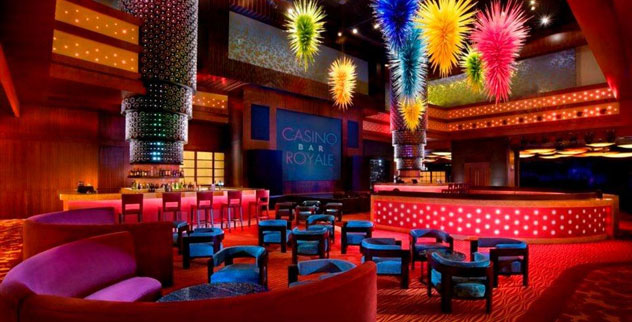
In the US, the development of gambling architecture was heavily shaped by the rise of Vegas in the mid-20th century. This city became synonymous with opulent and quirky designs, mirroring the cultural spirit of post-war America. From the famous neon lights to the themed resorts like Caesar’s Palace and the Luxor Hotel, these architectural choices were examples of a new leisure culture that embraced excess and entertainment. This time period marked a shift where casinos began to prioritize visual spectacle as a vital component of their architecture.
The integration of technology and opulence in gambling architecture has further shaped the modern landscape. Contemporary casinos often draw inspiration from multiple global architectural trends while integrating advanced lighting and entertainment systems. The use of sustainable materials and eco-friendly designs has also gained momentum, showcasing a balance between opulence and environmental responsibility. As casinos continue to evolve, they reflect not just the history of gambling but also the changing values and interests of society.
Famous Gambling Structures From the World
The Bellagio in LV stands as a representation of elegance and indulgence. Its spectacular fountains flow to music and illuminations, creating a stunning spectacle that attracts countless of visitors each year. Inside, the rich botanical garden and botanical gardens offer a serene contrast to the energetic gaming area, while the venue’s lavish design showcases Italian-inspired architecture. The Bellagio is both a hub for gambling but also a highlight of art, making it a must-see for anyone exploring gambling architecture.
In Asia, the Sands of Marina in the Republic of Singapore has transformed the skyline with its distinct three-towered structure topped by a rooftop garden. This architectural marvel features an endless pool that offers breathtaking views of the city and has become an iconic symbol of affluence. The casino itself boasts a expansive gaming area filled with a wide range of games and elite tables. The blending of modern design with traditional Asian elements creates an striking space that enthralls both players and tourists alike.
The Casino de Monte-Carlo in Monaco is a historic treasure that exudes glamour and sophistication. Its splendor is apparent from the moment one arrives at, with detailed details and a gorgeous façade that mirror the opulence of the French Riviera. When entering reveals FC88 adorned with crystal lights and polished stone, offering a sense of stepping back in time to the heyday of gambling. This iconic casino not only provide premium gambling options but also serves as a cultural landmark, highlighting the vibrant history of the casino industry.
The Art of Combining Functionality and Beauty
Casino architecture is a unique discipline that combines functionality with highly creative design. The primary function of a casino is to provide a exciting gaming experience, but it also acts as an entertainment hub, attracting guests with various amenities and offerings. Designers must take into account the movement of foot traffic, the placement of gaming tables, and accessibility to amenities such as restaurants and lounges. This careful planning ensures that patrons can move through the space easily while enjoying the ambiance.
Aesthetic elements in casino design play a vital role in creating an appealing atmosphere. From luxurious chandeliers to vibrant color schemes, each aspect of the visual design is meticulously curated to enhance the overall experience. The integration of art and architecture goes further than mere decoration; it creates a mood that can influence how players feel, often evoking a sense of thrill and possibility. Famous casinos around the world showcase unique themes that draw on local culture or heritage, adding an extra layer of richness to their visual identity.
Ultimately, the successful marriage of functionality and aesthetics in casino architecture is what captivates guests and keeps them enthralled. By ensuring that each element serves a twofold role—both practical and visually stimulating—designers create spaces that are not only delightful but also unforgettable. This careful balance is what makes casinos more than just places to gamble; they become places of interest that offer immersive experiences, pleasing guests and encouraging longer stays.